Scoring genre clarity...
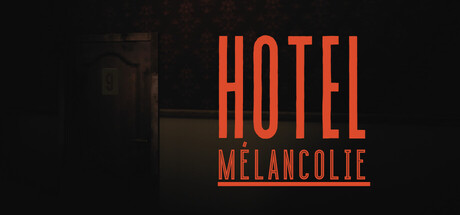
Hotel Mélancolie capsule

Hotel Mélancolie

You wake up alone in a quiet hotel. The corridors loop. The rooms change. Somewhere between the walls and the noise on the radio, a memory is trying to surface. A short, PS1-style psychological horror about guilt, repetition, and the weight of consequences.

$3.998 user reviews
Psychological HorrorRetroHorror
Fireball GamesNov 28, 2025

Hotel Mélancolie scores 72/100 — better than 48% of Psychological Horror capsules (n=2,166).

8 user reviews · $3.99 · Released Nov 28, 2025 · By Fireball Games

Quick text summary

Hotel Mélancolie scored 72/100 on Steam Analyzer — Good for a Psychological Horror capsule. Top priority fix: [uniqueness_polish] Introduce a distinctive visual motif or character silhouette (e.g., a figure in a hallway, a radio symbol, or repeating architectural pattern) that signals the core mechanic and differentiates from generic horror.

Capsule scores by dimension

  • Genre Clarity: 7/10 — Psychological horror mood established. The dark, moody interior with warm orange neon text and shadowy architectural elements communicate a psychological thriller or horror atmosphere. At tiny size, the warm orange typography against deep shadow reads as eerie and unsettling, though the specific PS1-style horror subgenre is not immediately obvious without context. The looping corridor hints and oppressive darkness work well to signal a mystery-driven narrative game.
  • Title Readability: 8/10 — Bold title, excellent legibility. The all-caps HOTEL text in bright orange-red is immediately readable at all sizes, with clean sans-serif letterforms and strong contrast against the dark background. The subtitle MÉLANCOLIE in smaller orange with underline remains readable at small size but approaches legibility limits at tiny size. The title placement on a controlled dark region rather than noisy texture ensures reliable recognition even at 120x45 pixels.
  • Contrast & Color: 8/10 — Strong warm-dark separation. The orange-red title creates excellent value separation from the #1b2838 background, with saturated warm tones that command attention in quick scroll. The shadowy architectural interior provides visual interest without competing with the title. In grayscale, the title maintains strong brightness separation and the silhouette of the hallway remains distinct, supporting discoverability at tiny size.
  • Uniqueness & Polish: 7/10 — Cohesive horror mood, restrained approach. The design commits to a specific aesthetic—minimalist psychological horror with neon text against decay—rather than generic dark scenes. The orange neon against architectural shadow is evocative and sets expectations for mood and narrative tone. However, the composition lacks a distinctive character, mechanic visual, or iconic element that would make it stand out in an indie horror crowded space; it relies on mood rather than a unique hook.
  • Brand Consistency: 6/10 — Mood-driven, limited identity markers. The warm orange neon and dark interior form a consistent visual language that would be recognizable across marketing materials. However, there are no distinctive character, symbol, or UI motif that becomes a brand signature. The aesthetic is cohesive within itself but not uniquely memorable compared to reference titles like DREDGE or The Invincible, which have stronger iconic visual markers.
  • Composition: 7/10 — Clear focal hierarchy, safe margins. The title dominates the upper half with logical visual weight, while the shadowy hallway provides atmospheric grounding in the lower portion without competing. The composition avoids edge-hugging and maintains safe margins around the title text. At small and tiny sizes the title remains the unambiguous focal point, though the supporting hallway detail loses specificity and reads as generic shadow.

What works

  • Title contrast and readability. Orange-red bold sans-serif maintains legibility from full size down to tiny thumbnail without outline degradation or overlap confusion.
  • Mood cohesion. The warm neon against dark industrial architecture creates a unified psychological horror atmosphere that communicates narrative intent clearly.
  • Composition stability. Title placement on controlled dark background with clear hierarchical separation ensures the capsule reads well across all three viewing sizes without layout collapse.

What hurts the capsule

  • Generic supporting imagery. The shadowy hallway interior, while atmospheric, lacks distinctive visual details or character elements that would differentiate this from other horror games at small size.
  • Limited brand identity markers. No iconic character, symbol, mechanic cue, or signature color palette emerges that would make this capsule immediately recognizable in a sea of similar indie titles.
  • Subtitle legibility at tiny size. The MÉLANCOLIE underlined subtitle begins to blur and loses clarity at 120x45 pixels, reducing the completeness of the title presentation in quick scroll.

Priority fixes

  1. [uniqueness_polish] Introduce a distinctive visual motif or character silhouette (e.g., a figure in a hallway, a radio symbol, or repeating architectural pattern) that signals the core mechanic and differentiates from generic horror.
  2. [brand_consistency] Develop a signature symbol or color accent beyond orange neon—such as a recurring motif visible across store screenshots—to build recognizable brand identity.
  3. [genre_clarity] Add a subtle PS1-style artifact or glitch visual cue to the title or background to clarify the retro horror subgenre without compromising readability.
  4. [composition] Test subtitle weight and sizing to ensure MÉLANCOLIE remains readable at 120x45 without loss of detail, or use a cleaner underline style with larger capitals.

Store copy priority fixes

  1. [feature_communication] Add one sentence explaining the core gameplay loop outcome: what the player discovers or achieves by noticing changes and solving puzzles across loops (e.g., 'Piece together the hotel's horrifying history and your character's role in it with each loop').
  2. [uniqueness] Clarify how the looping mechanic creates horror or mystery distinct from linear exploration—does player knowledge persist? Do NPCs react to repeated encounters? One sentence of mechanical clarity would strengthen differentiation.
  3. [feature_communication] Expand the 'secret' reference with a hint at post-ending engagement, such as 'Multiple endings based on what you discover and ignore' to justify the replay suggestion.

Related guides

Steam app ID: 2325850 · Tags: Psychological Horror, Retro, Horror, Atmospheric, Supernatural