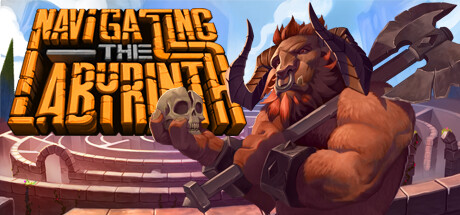
Navigating The Labyrinth scores 72/100 — better than 49% of RPG capsules (n=3,544).

Quick text summary

Navigating The Labyrinth scored 72/100 on Steam Analyzer — Good for a RPG capsule. Top priority fix: [genre_clarity] Integrate labyrinth architecture—add visible maze walls, doorways, or tunnel structures to the background to reinforce the dungeon-crawler and exploration focus distinct from pure combat RPGs.

Capsule scores by dimension

  • Genre Clarity: 7/10 — Fantasy RPG, monster clear. The large demonic creature with horns and aggressive posture immediately signals fantasy combat and dungeon-crawler vibes. The worn stone architecture and skull imagery reinforce dungeon exploration themes. At TINY size, the creature silhouette and title remain recognizable enough to suggest an RPG adventure, though the labyrinth setting is less obvious without the full title context.
  • Title Readability: 8/10 — Bold orange title, legible. The large golden-orange blocky title text 'NAVIGATING THE LABYRINTH' uses strong contrast against the light sky background and bold outlines that survive reduction. At SMALL and TINY sizes, the main words remain readable, though 'THE' becomes slightly cramped. The metallic texture and shadow treatment add weight without sacrificing clarity at smaller scales.
  • Contrast & Color: 8/10 — Strong warm tones pop. The golden-orange title and warm brown creature contrast effectively against the cool blue sky and steam background. The creature's reddish-brown fur and dark horns create silhouette separation. At TINY size, the color split between warm subject and cool background maintains readable separation even in grayscale due to distinct value differences.
  • Uniqueness & Polish: 7/10 — Polished creature, generic setting. The demon character is well-rendered with detailed fur, menacing posture, and weapon detailing that shows craft and investment. However, the blue sky and stone platform compose a fairly standard fantasy dungeon aesthetic without a distinctive visual hook that separates this from other RPGs. The metallic title text is competent but follows familiar stylization patterns.
  • Brand Consistency: 6/10 — Single image, limited signals. The warm brown/orange color palette and demonic creature design establish one cohesive visual tone, but without reference to the 19 available screenshots, internal consistency is difficult to assess. The blocky golden title treatment and stone/demon aesthetic suggest a unified art direction, but no iconic symbol, character, or motif stands out as a memorable brand anchor at this single image.
  • Composition: 7/10 — Clear focal point, good balance. The creature occupies the right-center with strong visual weight while the title dominates the upper-left, creating clear hierarchy and diagonal visual flow. The composition balances the large text block against the character without dead space or awkward cropping. At TINY size, both elements remain spatially clear, though the creature's weapon edges approach the right margin slightly.

What works

  • Strong title contrast and legibility. The golden-orange metallic lettering with dark outlines reads clearly at all sizes, from full header down to tiny thumbnail, and pops sharply against both the sky and Steam dark background.
  • Well-crafted character with detail. The demon creature exhibits polished rendering, clear silhouette, expressive pose, and weapon detail that communicates threat and establishes RPG combat expectation.
  • Effective color separation. The warm brown/orange creature and golden text contrast against cool blue sky creates strong visual depth and maintains readability in grayscale reduction.

What hurts the capsule

  • Generic dungeon environment. The stone platform and blue sky backdrop lack distinctive visual identity—similar compositions appear across many fantasy RPGs without memorable setting hooks or visual storytelling cues.
  • No iconic symbol or motif. The capsule relies on a single creature and title text with no recognizable brand anchor, logo, or recurring visual element that could distinguish this game's identity in player memory.
  • Limited labyrinth visual narrative. For a game centered on labyrinth exploration, the capsule shows only a demon boss encounter rather than maze architecture, dungeon atmosphere, or exploration themes that justify the game's core premise.

Priority fixes

  1. [genre_clarity] Integrate labyrinth architecture—add visible maze walls, doorways, or tunnel structures to the background to reinforce the dungeon-crawler and exploration focus distinct from pure combat RPGs.
  2. [uniqueness_polish] Introduce a memorable visual motif or symbol—develop a labyrinth crest, rune, or architectural pattern that appears on the creature or environment to build recognizable brand identity.
  3. [composition] Strengthen depth layering by repositioning the creature to allow foreground maze elements or torch/light sources in front, mid-ground architecture behind, creating stronger visual storytelling about exploration versus combat alone.

Store copy priority fixes

  1. [uniqueness] Add a sentence differentiating this from predecessor games or competitors—e.g., 'expanded class roster,' 'new labyrinth mechanics,' or 'deeper customization' to justify choosing this over Into The Inferno.
  2. [feature_communication] Briefly describe one signature mechanic or system unique to Navigating the Labyrinth, such as a special ability, loot type, or progression system that sets it apart.
  3. [hook_strength] Strengthen the short description with an action verb or emotional hook—e.g., 'Lead a party of heroes into impossible mazes' instead of repeating 'Discover and save' twice.

Related guides

Steam app ID: 2642110 · Tags: RPG, Party-Based RPG, CRPG, Dungeon Crawler, Hack and Slash