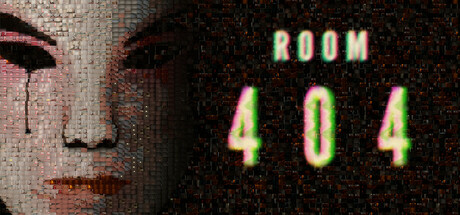
Room 404 scores 75/100 — better than 79% of Psychological Horror capsules (n=2,166).

Quick text summary

Room 404 scored 75/100 on Steam Analyzer — Good for a Psychological Horror capsule. Top priority fix: [composition] Shift the pixelated face slightly right and ensure at least 15% safe margin from the left edge to prevent Steam crop loss on smaller displays.

Capsule scores by dimension

  • Genre Clarity: 7/10 — Horror atmosphere clear, gameplay unclear. The pixelated face with eerie lighting and glitch effects immediately signal horror and psychological unease, matching a first-person horror game well. However, the '404' text dominates the composition and reads more as an error screen than gameplay-specific imagery, which dilutes clarity about the anomaly-detection and corridor-exploration core loop. At tiny size, the horror intent reads but the specific game mechanic (spotting anomalies in a looping corridor) remains ambiguous.
  • Title Readability: 8/10 — Title legible, strong glitch branding. The word 'ROOM' and '404' are rendered in a bright cyan-green pixelated font with intentional chromatic aberration, creating a distinct glitch aesthetic that reinforces the horror-tech theme. The text maintains clarity even at small size due to high contrast against the dark background and deliberate letterform spacing. Taglines are absent, avoiding clutter, though the glitch effect adds intentional visual noise that serves the brand rather than harming legibility.
  • Contrast & Color: 7/10 — Strong value separation with atmospheric grit. The bright cyan-green title text pops sharply against the dark background, and the pixelated face on the left uses warm peachy-pink tones that separate well from the black noisy texture. At tiny size, the title remains readable and the face silhouette is distinct, though the grainy noise field competes slightly for attention and softens overall crispness. The color palette works but relies on grit and noise rather than clean value hierarchy.
  • Uniqueness & Polish: 8/10 — Distinctive glitch-horror aesthetic, cohesive craft. The chromatic aberration, pixelation, and grainy scan-line effect create a cohesive retro-digital-horror visual language that feels intentional and branded rather than generic. The pixelated face combined with glitch text communicates psychological horror and digital unease in a way that stands apart from typical horror game capsules. This is premium indie craft with a clear artistic vision, not a template or stock-asset approach.
  • Brand Consistency: 8/10 — Strong glitch-horror identity, recognizable signature. The pixelated face, chromatic aberration, and scan-line texture form a distinctive visual motif that could be recognized across marketing materials and store assets. The '404' error aesthetic ties directly to the game's core concept of a looping anomaly-filled space, making the visual language serve narrative purpose. This is iconic branding with internal coherence that signals 'Room 404' specifically, not a generic horror aesthetic.
  • Composition: 7/10 — Clear focal hierarchy, minor edge tension. The pixelated face anchors the left side as primary focus, while the glitch-text '404' claims the upper-center-right, creating asymmetrical balance that guides the eye naturally. Safe margins are respected and the composition survives small-size reduction well. However, the noisy texture field feels slightly scattered, and the face placement close to the left edge risks Steam's auto-crop on some display contexts, though the strong title text ensures the design doesn't collapse.

What works

  • Intentional glitch branding. Chromatic aberration and pixelation are not random effects but serve the horror and digital-anomaly theme, creating cohesive identity that reinforces the game's core concept.
  • High contrast title legibility. Bright cyan-green text reads clearly even at tiny sizes against the dark background, ensuring discoverability during quick Steam scrolls.
  • Distinctive horror-tech aesthetic. The combination of pixelated portraiture, glitch effects, and retro-digital styling stands apart from generic horror capsules and communicates premium indie craft.

What hurts the capsule

  • Generic '404 error' messaging. The '404' error-screen framing is clever but may obscure that this is a first-person anomaly-detection game rather than just an error-state narrative experience.
  • Noisy texture competes for attention. The scan-line and grain field, while thematically appropriate, creates visual clutter that softens the overall contrast hierarchy and slightly weakens the focal point.
  • Left-edge character placement risk. The pixelated face sits close to the left margin and may be partially cropped by Steam's responsive layout on narrower contexts.

Priority fixes

  1. [composition] Shift the pixelated face slightly right and ensure at least 15% safe margin from the left edge to prevent Steam crop loss on smaller displays.
  2. [contrast_color] Reduce the scan-line grain intensity by 20–30% to strengthen overall silhouette separation and allow the face and text to command attention more cleanly.
  3. [genre_clarity] Consider adding a subtle secondary visual element (e.g., a faint corridor or looping symbol) to hint at the anomaly-detection mechanic and clarify gameplay beyond error-screen aesthetics.

Store copy priority fixes

  1. [feature_communication] Replace 'Beyond Spot the Difference' with a concrete example of a mechanic or anomaly type that illustrates what separates this game from passive observation—e.g., 'Anomalies can trigger flashbacks, shift apartment layouts, or unlock resident backstories.'
  2. [hook_strength] Rewrite the short description to lead with the emotional or narrative hook rather than just the mechanic—e.g., 'Trapped in an endless corridor on the fourth floor, uncover dark secrets by spotting what does not belong—but some anomalies may not want to be found.'
  3. [feature_communication] Add a bullet-point or short-form list of the three to five core gameplay systems (anomaly detection, timeline shifts, resident stories, difficulty/danger, ending triggers) to make the game loop more tangible.
  4. [uniqueness] Clarify the cultural or thematic angle: explain how the Chinese setting, the notion of a 'God of the Land,' and resident backstories create a distinct horror experience compared to Western anomaly-spotters.

Related guides

Steam app ID: 2873810 · Tags: Psychological Horror, Exploration, Immersive Sim, Simulation, Walking Simulator