7th Floor scores 72/100 — better than 51% of Horror capsules (n=3,118).

Quick text summary

7th Floor scored 72/100 on Steam Analyzer — Good for a Horror capsule. Top priority fix: [uniqueness_polish] Introduce a distinctive visual motif or color accent (beyond blue-grey) that signals this game's specific hospital-horror premise and differentiates it from generic disfigured-character horror games.

Capsule scores by dimension

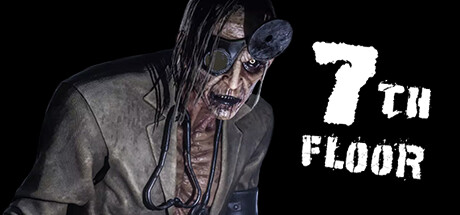
  • Genre Clarity: 7/10 — Horror-action gameplay implied clearly. The grotesque, disfigured character on the left immediately signals horror genre with clear action-adventure undertones. The medical tubing and decayed appearance strongly suggest a hospital or medical horror setting that aligns with the game's premise. At tiny size, the horror silhouette and character damage read instantly, though the specific hospital context becomes less clear.
  • Title Readability: 8/10 — Bold white title reads well across sizes. The white "7th FLOOR" text uses high-contrast sans-serif lettering positioned on a clean black background, ensuring legibility at all viewing sizes. The distressed texture on the numbers adds character without compromising readability even at tiny thumbnail size. Spacing is clean and the title occupies prime real estate without competing with the character.
  • Contrast & Color: 8/10 — Strong value separation, crisp silhouette. The character's blue-grey skin and dark clothing create distinct silhouettes against the black background, with white title text providing maximum value contrast. Skin tones and fabric detail remain readable at small size due to careful lighting that separates the subject from the void background. The pure white title pops aggressively against the dark field, aiding quick recognition during scroll.
  • Uniqueness & Polish: 7/10 — Professional horror aesthetic, well-executed. The character model shows high production quality with detailed facial decay, medical equipment, and realistic rendering that elevates it above generic indie horror. The distressed title font adds a signature visual treatment that feels intentional rather than random. However, the composition follows familiar horror game conventions without a distinctive hook that separates it from peers like Resident Evil or similar titles.
  • Brand Consistency: 6/10 — Coherent horror presentation, limited identity. The blue-grey color palette and decayed character aesthetic are internally consistent and reinforce the medical horror theme throughout. The distressed white typography becomes an identity cue that could be recognized in other materials. However, without reference to additional assets, the visual identity feels rooted in generic survival-horror rather than a unique brand signature.
  • Composition: 7/10 — Clear focal point, effective space usage. The character occupies the left-center frame as the primary focal point, while the white title balances on the right side of the composition, creating visual equilibrium. The black void background ensures no competing elements distract from the subject and title pairing. At tiny size, both elements remain distinct and readable, though the character's fine facial details compress into less legible texture.

What works

  • High-contrast title placement. White serif lettering on pure black background ensures the title reads clearly at all sizes including tiny thumbnails.
  • Professional character rendering. The grotesque subject conveys horror-action genre intent immediately with realistic modeling that signals premium production value.
  • Clean composition balance. Character and title are spatially separated and weighted to create visual hierarchy without clutter or dead space.

What hurts the capsule

  • Generic horror conventions. The disfigured hospital patient aesthetic mirrors many survival-horror titles without a distinctive visual hook that stands out in the genre.
  • Limited brand identity signals. Beyond the distressed font treatment, there are no iconic motifs, symbols, or color palettes that create a memorable brand signature distinct from competitors.
  • Character facial detail loss at tiny size. Fine decay texture and medical equipment details compress into illegible noise at thumbnail sizes, reducing the impact of the character's craftsmanship.

Priority fixes

  1. [uniqueness_polish] Introduce a distinctive visual motif or color accent (beyond blue-grey) that signals this game's specific hospital-horror premise and differentiates it from generic disfigured-character horror games.
  2. [genre_clarity] Add a subtle environmental or mechanical cue (broken medical device, crimson accent, or architectural element) that reinforces the hospital-specific setting and strengthens genre identity at tiny size.
  3. [brand_consistency] Develop a recognizable visual signature element (icon, symbol, or palette accent) that appears consistently across store assets and social materials to build brand recall.

Store copy priority fixes

  1. [hook_strength] Rewrite the short description to lead with atmospheric tension or a specific emotional hook: 'Search a twisted hospital for your missing daughter—but something sinister hunts you in the dark' rather than generic 'Hospital of Madness.'
  2. [uniqueness] Expand the Doctor mechanic into a clear differentiator in the detailed description with concrete consequences: explain why the Doctor cannot be destroyed and how this forces different player strategies than standard combat horror.
  3. [tone_match] Rewrite the feature sections ('Collect Items,' 'Fight Enemies') to use atmospheric, immersive language that matches the horror tone rather than clinical bullet points (e.g., 'Scavenge for ammunition and weapons as you navigate twisted corridors').
  4. [audience_targeting] Add a one-sentence clarification about intended difficulty/playstyle to signal whether this is for hardcore horror fans or story-focused players (e.g., 'Designed for players who value atmosphere and survival over combat mastery').

Related guides

Steam app ID: 3018430 · Tags: Horror, Story Rich, Puzzle, Psychological Horror, Shooter