Scoring genre clarity...
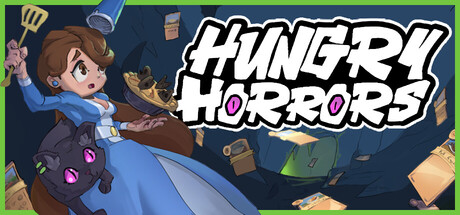
Hungry Horrors capsule

Hungry Horrors

Feed legendary Horrors before they feed on the princess. Hungry Horrors is a roguelite card-based adventure through British and Irish mythology where you cook traditional dishes, build flavour synergies and serve the perfect meal. No prince. No servants. Just a recipe book and a talking cat.

$10.49Very Positive(200)
Early AccessDeckbuildingLore-Rich
Clumsy Bear StudioJan 19, 2026

Hungry Horrors scores 63/100 — better than 6% of Steam capsules we've analysed (n=22,658).

Very Positive (200 reviews) · $10.49 · Released Jan 19, 2026 · By Clumsy Bear Studio

Quick text summary

Hungry Horrors scored 63/100 on Steam Analyzer — Solid for a Steam capsule. Top priority fix: [genre_clarity] Make one large, clearly readable card the dominant foreground prop between the protagonist and a monster to immediately communicate the deckbuilding mechanic at small sizes.

Capsule scores by dimension

  • Genre Clarity: 6/10 — Cozy monster adventure unclear genre. The cartoon art style, friendly-looking monsters, and a female protagonist wielding a spatula hint at a cooking or creature-interaction theme, which aligns with the feeding mechanic. However, the card elements scattered in the background are very small and easy to miss, so the deckbuilding and roguelite aspects are not communicated at tiny size. At tiny size it reads more like a cozy action-adventure or even a casual game rather than a card-based roguelite.
  • Title Readability: 7/10 — Bold title reads at small size. The 'HUNGRY HORRORS' logotype uses a thick, chunky white font with a dark outline that separates well from the busy background, and it sits centrally in a relatively clear zone. At full size the title is very readable with good letter spacing and playful styling that matches the tone. At tiny size the title still reads as two words and the general shape is recognizable, though finer details in the letterforms like the face in the 'O' are lost.
  • Contrast & Color: 6/10 — Moderate contrast, midtone background. The overall palette is mid-range blues and teals for the background, which do not provide maximum separation against Steam's dark #1b2838 background. The protagonist in her light blue dress and the white title text offer the brightest elements, but the monsters on the right blend somewhat into the darker background areas. In a grayscale test, the character silhouette reads reasonably but the right side of the image loses definition, and at tiny size the composition becomes a busy blur of similar mid-tones.
  • Uniqueness & Polish: 6/10 — Charming but generically indie. The cartoon art style is competently executed with a friendly, approachable character and varied monster designs that hint at folklore inspiration. However, the overall presentation feels like a typical indie capsule without a strong visual hook that communicates the unique deckbuilding-cooking-folklore mashup. The scattered card props in the background are a missed opportunity to make the core mechanic more prominent and distinctive.
  • Brand Consistency: 7/10 — Cohesive cartoon style and palette. The capsule maintains a consistent cartoon rendering style across the protagonist, monsters, and environmental elements, with a coherent warm-cool color palette. The playful chunky title font matches the lighthearted monster-cooking tone well. The character with spatula and black cat companion could serve as a recognizable brand identity element if used consistently, and the folklore monster variety adds a distinctive visual identity cue.
  • Composition: 6/10 — Centered title, crowded sides. The title is placed centrally in the upper portion, which is a reasonable choice, but the protagonist on the left and the monsters on the right create a split focal point with no clear single hero element dominating. Scattered card props, the black cat, and background details add clutter that competes for attention. At small and tiny sizes the composition becomes a busy scene with no single clear focal anchor, and the protagonist's position near the left edge risks feeling cropped.

What works

  • Readable title at small size. The chunky white outlined logotype holds up at small viewing sizes and communicates the playful tone effectively.
  • Distinctive protagonist design. The spatula-wielding character in a blue dress with a black cat companion is a charming and potentially recognizable brand identity anchor.
  • Consistent cartoon art direction. Character, monsters, and props share a cohesive cartoon rendering style that feels intentional and polished for an indie title.
  • Tone-appropriate palette. The warm-cool color split between the protagonist and monster side creates a subtle visual tension that fits the friendly-horror theme.

What hurts the capsule

  • Card mechanic nearly invisible. The scattered card props are too small and low-contrast to communicate the deckbuilding genre at small or tiny sizes, missing a key selling point.
  • Busy background reduces clarity. The mid-toned teal background with debris and props creates visual noise that competes with the characters at tiny size.
  • Split focal point weakens hierarchy. No single dominant subject commands attention, as the protagonist and multiple monsters on the right share roughly equal visual weight.
  • Weak contrast against Steam dark background. The mid-blue and teal palette does not pop strongly against #1b2838, reducing shelf presence during quick scroll browsing.

Priority fixes

  1. [genre_clarity] Make one large, clearly readable card the dominant foreground prop between the protagonist and a monster to immediately communicate the deckbuilding mechanic at small sizes.
  2. [contrast_color] Darken the background significantly or add a vignette to create stronger value separation between the characters and the Steam dark background.
  3. [composition] Establish a single hero focal point by enlarging the protagonist or a key monster to dominate the center, reducing clutter and competing elements.
  4. [uniqueness_polish] Add a visual storytelling hook such as a monster being fed a dish or a card being played to communicate the unique feeding-not-fighting mechanic at a glance.

Store copy priority fixes

  1. [hook_strength] Add a single sentence to the short description emphasizing the roguelite replayability or progression carryover, e.g., 'Unlock new recipes and abilities with each run to expand your culinary arsenal.' This reinforces long-term engagement.
  2. [feature_communication] In the detailed description, add one sentence explicitly explaining how flavor chains work mechanically (e.g., 'Serve flavors in sequence to trigger bonus effects and exploit Horror weaknesses'), as the current text implies depth but doesn't fully clarify the system.
  3. [audience_targeting] Add a brief statement about intended difficulty curve and player type, such as 'Perfect for strategy fans and roguelite veterans, with accessibility options for newcomers,' to broaden appeal without diluting positioning.
  4. [uniqueness] Add a comparative anchor such as 'If you love Inscryption's deckbuilding but crave a lighter, folklore-flavored spin with cooking mechanics' to help players self-identify and understand the game's niche.

Related guides

Steam app ID: 3048840