Quick text summary
The Dinner scored 70/100 on Steam Analyzer — Good for a Psychological Horror capsule. Top priority fix: [uniqueness_polish] Incorporate a visual reference to the dinner preparation scenario (table, food, or domestic setting) in the background or midground to communicate the game's unique dual premise and differentiate from generic psychological thriller aesthetics.
Capsule scores by dimension
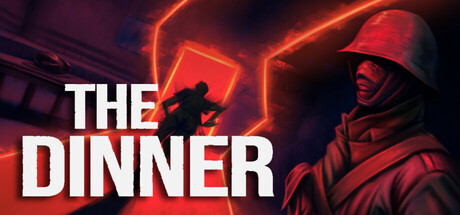
- Genre Clarity: 7/10 — Psychological thriller with dark atmosphere. The hooded figure with obscured face and moody blue-red lighting clearly signals psychological horror or dark thriller rather than traditional adventure. The haunted, isolated character pose and overhead angle suggest introspection and dread. At tiny size, the silhouette and color palette still read as dark psychological drama, though specific genre details like simulation or domestic elements are not immediately apparent from visuals alone.
- Title Readability: 8/10 — Bold red text stands firm at scale. THE DINNER is rendered in large, high-contrast red serif letterforms with clean spacing against a dark background, ensuring legibility across full, small, and tiny sizes. The all-caps weight and color choice create strong hierarchy and avoid ambiguity. At tiny size the text maintains its form without collapse, though individual letter detail reduces naturally without impacting recognition.
- Contrast & Color: 8/10 — Strong red-blue separation with clean silhouette. The crimson title and warm accent light on the character's face stand out sharply against the deep blue-black background, creating clear value separation in both color and grayscale modes. The figure's pale face and dark hoodie form a readable silhouette at small and tiny sizes. Lighting design uses warm tones to isolate the subject from cool background, enhancing visual separation.
- Uniqueness & Polish: 6/10 — Competent dark thriller aesthetic, generic staging. The execution is clean with professional lighting and color grading, but the hooded character with obscured face is a familiar trope in psychological thriller marketing. The domestic dinner premise is not visually conveyed—only psychological darkness is shown, which while thematically correct, does not communicate the unique dual nature of the game (family dinner preparation versus haunting hallucinations). The capsule reads as generic dark indie rather than memorable or distinctive.
- Brand Consistency: 6/10 — Mood consistent, identity not yet established. The dark, desaturated color palette and moody lighting are internally cohesive, but without access to additional brand reference materials or recognizable character/symbol identity markers, the capsule lacks a distinctive signature that would allow later recognition. The style feels appropriate to the genre and game tone but not uniquely tied to The Dinner's specific identity or core mechanical concept.
- Composition: 7/10 — Balanced focal point with minor margin risk. The character occupies center-right position with the large title on the left, creating clear visual balance and hierarchy at all sizes. The figure's face and upper body form a strong focal point. However, the right edge of the character's shoulder sits close to the margin line, risking potential cropping on some platform displays; the title placement is safe and readable across all viewing conditions.
What works
- High-contrast red title. Bold red serif text maintains perfect legibility across full, small, and tiny sizes against the dark background without any loss of recognition.
- Clear psychological atmosphere. The moody blue-red lighting, hooded figure, and isolated pose immediately signal psychological thriller tone appropriate to the game's core theme.
- Professional color grading. Warm and cool tone separation creates visual depth and isolates the character from background with polished lighting design.
What hurts the capsule
- Generic hooded character trope. The faceless hooded figure is a familiar psychological thriller cliché that does not communicate what makes The Dinner unique or memorable.
- Missing narrative visual hook. The capsule shows only psychological darkness and does not visually represent the domestic dinner scenario or the core gameplay conflict between preparation and hallucination.
- No brand identity markers. The design lacks recognizable character, symbol, or signature visual motif that would allow the game to be identified later outside of title text.
Priority fixes
- [uniqueness_polish] Incorporate a visual reference to the dinner preparation scenario (table, food, or domestic setting) in the background or midground to communicate the game's unique dual premise and differentiate from generic psychological thriller aesthetics.
- [brand_consistency] Introduce a signature visual element such as a distinctive character feature, recurring motif, or symbolic object that creates a memorable and recognizable identity beyond the title.
- [composition] Shift the character slightly left to increase right-margin safety and reduce edge-hugging risk, ensuring full visibility across all Steam display formats.
Store copy priority fixes
- [uniqueness] Add a specific differentiator in the short description or opening paragraph such as 'unfolds across a single, looping day' or 'a war veteran's PTSD manifests as interactive psychological distortion' to clarify what distinguishes this from other psychological horror walking simulators.
- [feature_communication] Clarify the consequences of player choice: does selecting medication vs. music vs. distraction lead to different outcomes, or is the ending deterministic? Rewrite 'An inevitable ending' to explicitly state whether choices matter or the experience is linear.
- [hook_strength] Enhance the detailed description's opening by replacing 'A psychological horror game that descends into the darkest corners of the mind' with a more specific hook that foregrounds Erick's war trauma or the dinner scenario (e.g., 'A war veteran's final hours before family dinner unravels into psychological horror').
Related guides
Steam app ID: 3537410 · Tags: Psychological Horror, Horror, Atmospheric, Walking Simulator, First-Person