Scoring genre clarity...
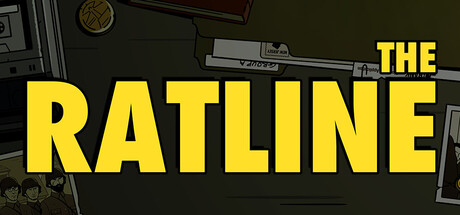
The Ratline capsule

The Ratline

A murdered priest. A secret list. Hunt Nazi fugitives across the globe in this gritty 1971 detective thriller. Analyze evidence, follow leads, and make sharp deductions before the trail goes cold. From the creators of Family, Rivals, Conspiracy, Echo Beach and Riley & Rochelle.

$11.99Very Positive(18)
AdventureDetectiveInvestigation
Owlskip GamesMar 17, 2026

The Ratline scores 70/100 — better than 30% of Steam capsules we've analysed (n=22,658).

Very Positive (18 reviews) · $11.99 · Released Mar 17, 2026 · By Owlskip Games

Quick text summary

The Ratline scored 70/100 on Steam Analyzer — Good for a Steam capsule. Top priority fix: [uniqueness_polish] Incorporate a narrative moment or iconic prop (e.g., a map with marked Nazi escape routes, a classified document, or a shadow silhouette) that visually hints at the core Nazi-fugitive-hunt mechanic and differentiates from generic detective templates.

Capsule scores by dimension

  • Genre Clarity: 7/10 — Detective thriller with period setting clear. The 1971 office/workspace setting with a desk, clock, and gun immediately signal a noir detective or spy thriller. At tiny size, the dark interior and industrial props read as mystery/investigation gameplay. However, the capsule doesn't clearly distinguish this as a narrative detective game versus action thriller, so some ambiguity remains about the core mechanic.
  • Title Readability: 9/10 — Bold yellow title highly legible throughout. THE RATLINE uses a large, uppercase sans-serif font in bright yellow (#FFFF00) positioned in the top-right and center-right zones with strong contrast against the dark background. At tiny size (120x45), the title remains completely readable with clean letterforms and no collapse. Strategic placement on a controlled dark background region ensures zero interference from scene details.
  • Contrast & Color: 8/10 — Strong value separation, cohesive dark palette. The bright yellow title has excellent separation from the dark olive-gray background, creating immediate visual pop on Steam's #1b2838 dark theme. Interior scene elements (desk, gun, clock) are rendered in muted grays and blacks with subtle lighting, maintaining legibility without competing. In grayscale squint test, the title remains sharp and readable while background elements stay subordinate.
  • Uniqueness & Polish: 6/10 — Competent detective aesthetic, generic execution. The capsule uses a functional mid-century office interior to convey period detective work, but the composition is a straightforward flat photography/render without distinctive art direction or visual storytelling beyond setting a mood. While crafted cleanly, it reads as a standard noir/thriller template rather than a memorable hook that communicates the specific Nazi-fugitive-hunt premise or investigation mechanics uniquely.
  • Brand Consistency: 5/10 — No recognizable brand identity or signature elements. The capsule presents a generic 1970s office scene with no distinctive visual motifs, character silhouettes, or recurring symbols that would build brand recognition across store pages. Without access to other first-party marketing materials from the creators (Family, Rivals, Conspiracy, etc.), the internal cohesion appears solid but offers no memorable identity hook that distinguishes The Ratline from other detective thrillers.
  • Composition: 7/10 — Clear focal point, well-placed title, minor balance issues. The gun on the desk serves as the primary focal point in the center-left area, with the title anchored top-right in a clean two-line arrangement. Depth layering (background wall, midground desk, foreground objects) creates readable spatial hierarchy. At small/tiny sizes, the gun-and-title combination maintains clear priority, though the composition slightly favors the right side, leaving the lower-left somewhat quieter.

What works

  • Exceptional title contrast and legibility. Bright yellow sans-serif text remains crystal-clear and readable at all sizes down to tiny thumbnail, with zero collapse or muddiness against the dark background.
  • Strong atmospheric genre signaling. The 1971 office interior with desk, gun, and clock immediately communicates noir detective/thriller gameplay without ambiguity about setting or tone.
  • Clean, uncluttered composition hierarchy. Focal point (gun) and title placement work together to guide the eye efficiently, avoiding scattered attention or dead zones at small sizes.

What hurts the capsule

  • Generic detective aesthetic with no unique hook. The office scene, while competently rendered, uses a standard noir template that does not visually communicate the specific Nazi-fugitive premise or investigation mechanics that differentiate this game.
  • No memorable brand identity signals. The capsule lacks distinctive character, motif, symbol, or signature palette that would allow recognition as part of the developer's portfolio or as a standout title in the genre.
  • Limited visual storytelling depth. The scene feels more like a static period dressing than an active narrative moment that hints at the core gameplay loop or emotional stakes of a Nazi-hunt thriller.

Priority fixes

  1. [uniqueness_polish] Incorporate a narrative moment or iconic prop (e.g., a map with marked Nazi escape routes, a classified document, or a shadow silhouette) that visually hints at the core Nazi-fugitive-hunt mechanic and differentiates from generic detective templates.
  2. [brand_consistency] Introduce a recurring visual motif or signature color accent (beyond yellow) tied to the developers' other titles to build cross-game recognition and brand continuity.
  3. [composition] Rebalance the right-heavy title placement by anchoring a secondary supporting image (e.g., a period passport, evidence board, or globe) in the lower-left to improve visual equilibrium and fill compositional space at small sizes.

Store copy priority fixes

  1. [feature_communication] Replace "Make independent deductions with no hand-holding" with a concrete example: e.g., "Cross-reference documents to identify Nazi aliases, then verify your suspects against recovered photographs before making arrests." This clarifies the actual puzzle loop.
  2. [uniqueness] Add one sentence explaining what sets The Ratline apart from the comps: e.g., "Track fugitives across real 1971 locations using a network of global contacts—no linear story path." This differentiates beyond "it's like Golden Idol but..."
  3. [feature_communication] Expand the evidence types: the current list (documents, photos, artifacts) is thin; add specifics like "interrogation transcripts," "travel records," "coded correspondence" to show investigation depth.

Related guides

Steam app ID: 3756940