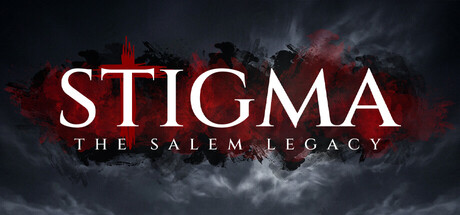
STIGMA: The Salem Legacy scores 70/100 — better than 35% of Psychological Horror capsules (n=2,166).

Quick text summary

STIGMA: The Salem Legacy scored 70/100 on Steam Analyzer — Good for a Psychological Horror capsule. Top priority fix: [uniqueness_polish] Introduce a distinctive visual element—iconic character silhouette, recognizable symbol, or unique art style—that makes STIGMA visually memorable compared to competing atmospheric horror games.

Capsule scores by dimension

  • Genre Clarity: 7/10 — Horror atmosphere clear, genre slightly ambiguous. The dark stormy sky, red atmospheric lighting, and ominous silhouettes immediately signal horror and mystery elements. At TINY size, the dark palette and dramatic sky read as supernatural horror, though the specific sub-genre (psychological detective) is less obvious without context. The composition suggests an atmospheric narrative experience rather than action.
  • Title Readability: 8/10 — Strong title legibility at all sizes. STIGMA is displayed in large, clean serif capitals with excellent contrast against the dark background, remaining fully readable at SMALL and TINY sizes. The tagline 'THE SALEM LEGACY' is smaller but maintains adequate contrast and positioning directly below the main title. At TINY size, both elements remain distinct and the hierarchy is preserved, though the tagline becomes minimal.
  • Contrast & Color: 8/10 — Excellent value separation and silhouette clarity. The white title text creates strong contrast against the dark storm clouds and night sky backdrop. Red atmospheric effects and silhouettes provide warm accent color that adds visual interest while maintaining readability. Even in grayscale, the light cream text and dark mid-tone sky create clean separation, with red elements reading as distinct tonal layers; composition holds well at TINY size.
  • Uniqueness & Polish: 6/10 — Competent atmospheric horror, somewhat generic approach. The stormy atmosphere and red-lit silhouettes are well-executed and professional, but the visual language relies on established horror conventions (dark sky, red tones, ominous landscape) without a distinctive visual hook or unique art direction. The capsule communicates 'horror' effectively but lacks a memorable signature element or visual storytelling unique to this specific game's mechanics or story.
  • Brand Consistency: 6/10 — Cohesive palette, limited memorable identity cues. The color scheme (dark storm blue-gray, red accents, white serif typography) is internally consistent and creates a unified mood. However, without access to in-game imagery, the capsule lacks distinctive character silhouettes, iconic symbols, or visual motifs that would make the brand instantly recognizable as STIGMA specifically rather than a generic indie horror game.
  • Composition: 7/10 — Balanced hierarchy, clear focal point. The title occupies the center with strong visual weight, flanked by atmospheric elements that frame without competing. The composition uses depth with background sky and silhouettes creating layering. At SMALL and TINY sizes, the title remains the clear focal point, though the red silhouettes at left and right edges could risk cropping in some Steam placements; overall balance is sound.

What works

  • Strong title contrast and readability. White serif text maintains clarity and prominence across full header, small, and tiny sizes against the dark background.
  • Cohesive atmospheric mood. Red lighting effects, storm clouds, and dark palette create unified horror aesthetic that reads immediately as mysterious and unsettling.
  • Effective depth and layering. Silhouettes and atmospheric elements create foreground-midground-background separation that adds visual sophistication without clutter.

What hurts the capsule

  • Generic horror visual language. The storm sky and red-tinted silhouettes follow familiar indie horror conventions without a distinctive visual hook or unique signature style.
  • Lacks memorable brand iconography. No recognizable character, symbol, or visual motif present to differentiate STIGMA from other atmospheric horror titles in the genre.
  • Edge-hugging silhouettes risk cropping. Red silhouettes on left and right edges may be cut off depending on Steam's display crop, weakening the atmospheric framing.

Priority fixes

  1. [uniqueness_polish] Introduce a distinctive visual element—iconic character silhouette, recognizable symbol, or unique art style—that makes STIGMA visually memorable compared to competing atmospheric horror games.
  2. [brand_consistency] Feature a consistent visual motif or character element across capsule and in-game imagery to establish a clear, recognizable brand identity.
  3. [composition] Move critical silhouettes inward from edges to ensure atmospheric framing survives Steam's variable cropping without loss of visual impact.

Store copy priority fixes

  1. [hook_strength] Rewrite the opening line to remove 'STIGMA is a truly small indie game' and lead with the core emotional hook, e.g., 'Uncover the dark secrets buried within your family's manor—but beware, the house is watching.' This shifts from apologetic to intriguing.
  2. [feature_communication] Add a sentence about player choices and multiple endings to the detailed description to align with the 'Choices Matter' and 'Multiple Endings' tags, e.g., 'Your decisions shape how the story unfolds and determine which ending you uncover.'
  3. [uniqueness] Clarify what 'the Salem Legacy' means in this specific game and why this family's manor matters; explain what makes this take on historical horror distinct from other Salem-themed games.
  4. [audience_targeting] Explicitly mention that this is designed for atmospheric exploration fans who value story over action, and note accessibility features (Camera Comfort, Playable without Timed Input) to signal inclusivity.

Related guides

Steam app ID: 3770520 · Tags: Psychological Horror, Walking Simulator, Story Rich, Choices Matter, Multiple Endings