Quick text summary

Watertight scored 83/100 on Steam Analyzer — Good for a Horror capsule. Top priority fix: [uniqueness_polish] Add a character hand, equipment detail, or damage visual (cracks, water seepage) to the viewport or console to hint at the game's core distress state and differentiate from generic submarine imagery

Capsule scores by dimension

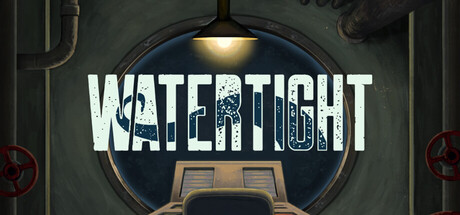
  • Genre Clarity: 8/10 — Horror submarine premise clear. The underwater vessel interior with overhead lighting, circular viewport window, and industrial metallic setting immediately signal a confined sci-fi horror environment. At tiny size, the submarine cockpit silhouette and ominous atmosphere remain readable, though specific genre nuance (first-person puzzle horror) is not immediately obvious from visuals alone.
  • Title Readability: 9/10 — Bold white title excellent clarity. WATERTIGHT is rendered in large, thick white capital letters with a semi-transparent water texture overlay that reinforces the theme without compromising legibility. The title remains fully readable at small and tiny sizes due to high contrast against the dark submarine interior background and strategic center placement away from interface clutter.
  • Contrast & Color: 9/10 — Strong light-dark separation established. Pure white title text contrasts sharply against dark metallic greens and blacks, with the bright overhead lamp creating a warm focal point that guides attention. The value separation between foreground text and background is decisive across all sizes, and the grayscale silhouette of the submarine structure remains clear and distinct.
  • Uniqueness & Polish: 8/10 — Distinctive submarine horror aesthetic. The capsule delivers a specific, cohesive visual identity—cramped submarine interior with overhead lighting and industrial details—that communicates the core premise without generic game imagery. The water texture integrated into the title and the framing of the viewport create intentional thematic polish, though the scene itself follows submarine horror conventions rather than inventing a unique hook.
  • Brand Consistency: 8/10 — Cohesive submarine identity established. The submarine cockpit interior, metallic palette, overhead lighting, and claustrophobic framing form a recognizable visual signature that aligns with the game's core premise. The water-textured typography and industrial aesthetic signals a deliberate brand direction, though without iconic character or motif, recognition relies entirely on environmental consistency.
  • Composition: 8/10 — Clear hierarchy, centered focal point. The title dominates the center with the overhead lamp creating depth and drawing the eye upward, while the circular viewport and symmetrical submarine structure provide balanced framing on either side. The layout remains effective at small size with no critical elements touching unsafe edges, though the composition is somewhat static and relies on the title for visual interest.

What works

  • High-contrast readable title. White text with water texture overlay maintains full legibility at all sizes against dark submarine background without requiring additional outline support.
  • Thematic environmental storytelling. The submarine cockpit, overhead lamp, viewport, and industrial details cohesively communicate the underwater horror premise and confined setting instantly.
  • Balanced symmetric composition. Centered title with supporting architectural elements on both sides creates visual stability and eliminates dead space or awkward cropping risks.

What hurts the capsule

  • Static, exposition-heavy framing. The overhead interior view is functional but lacks dynamic camera angle, character presence, or action cue that suggests active gameplay tension.
  • Generic submarine aesthetic. While cohesive, the industrial submarine interior follows familiar sci-fi horror tropes without a distinctive visual hook that differentiates it from other submarine games.
  • Minimal atmospheric mood variation. The cool metallic palette and flat lighting design, while readable, do not create the visceral dread or survival tension that puzzle-horror gameplay might promise.

Priority fixes

  1. [uniqueness_polish] Add a character hand, equipment detail, or damage visual (cracks, water seepage) to the viewport or console to hint at the game's core distress state and differentiate from generic submarine imagery
  2. [composition] Introduce dynamic lighting (red emergency lights, flickering elements) or asymmetric environmental damage to increase visual intensity and suggest active threat without sacrificing title readability
  3. [contrast_color] Enhance the warm lamp glow or add cool blue water reflections in the viewport to create stronger atmospheric layering and mood that communicates horror tone more effectively at small sizes

Store copy priority fixes

  1. [hook_strength] Replace the opening 'A short first-person horror game' with a verb-forward hook like 'Trapped 2,000 feet below the surface with failing life-support and an unseen presence, you must solve your way out of a dying submarine—or die trying.'
  2. [feature_communication] Add a sentence under THE GAMEPLAY describing puzzle categories or examples (e.g., 'Rewire circuit panels, restore air filtration, navigate darkened passages') to clarify what problem-solving feels like.
  3. [uniqueness] Insert a differentiator statement such as 'Uncover why a Titanic survivor's obsession led him to build a one-man submersible and what horrors await in the wreck's shadow' to highlight the narrative distinction.

Related guides

Steam app ID: 3858990 · Tags: Horror, Atmospheric, Psychological Horror, Puzzle, Short