Scoring genre clarity...
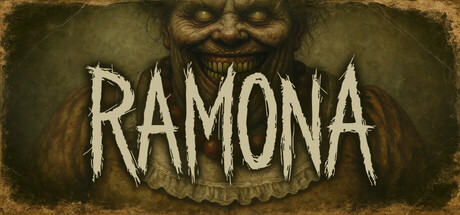
Ramona capsule

Ramona

Ramona is a first-person psychological horror set in the 1970s. Use a camera to reveal the invisible, follow Ramona’s rules, and explore rooms filled with puzzles and disturbing memories in a house haunted by secrets and remorse.

$9.99Mostly Positive(39)
Psychological HorrorHorrorFirst-Person
Daniele Doesn't MatterOct 31, 2025

Ramona scores 77/100 — better than 88% of Psychological Horror capsules (n=2,167).

Mostly Positive (39 reviews) · $9.99 · Released Oct 31, 2025 · By Daniele Doesn't Matter

Quick text summary

Ramona scored 77/100 on Steam Analyzer — Good for a Psychological Horror capsule. Top priority fix: [uniqueness_polish] Incorporate a subtle visual hint of the camera mechanic (lens reflection, viewfinder overlay, or hands holding device) to communicate the first-person camera gameplay hook and increase mechanical clarity.

Capsule scores by dimension

  • Genre Clarity: 8/10 — Psychological horror clearly communicated. The haunting doll-like face with unsettling proportions, dark earthy palette, and distressed aesthetic immediately signal horror genre at all sizes. The 1970s aesthetic cues (aged photo treatment, warm sepia tones) reinforce the period setting. At TINY size, the creepy visage remains the dominant focal point and instantly reads as psychological horror rather than action or adventure.
  • Title Readability: 8/10 — Bold white title with strong presence. The white scratched lettering 'RAMONA' stands out dramatically against the warm greenish background with excellent contrast and legibility. At FULL size it reads cleanly; at SMALL size the thick letterforms hold up well. At TINY size the title remains recognizable though slight detail loss in the distressed texture, but core letterforms stay intact and readable.
  • Contrast & Color: 8/10 — Strong value separation and silhouette. The pale ghostly face creates sharp contrast against the darker greenish-brown background, with clear silhouette definition even when squinting. White title text pops distinctly against warm mid-tones. The limited but intentional palette (creams, olives, browns) avoids muddy mid-tones and maintains clear focal point hierarchy at all viewing sizes including TINY.
  • Uniqueness & Polish: 7/10 — Distinctive unsettling aesthetic, competent craft. The weathered doll-face design feels intentionally crafted rather than generic, with specific character identity that differentiates from standard horror fare. The distressed vintage photo treatment and scratched typography create premium polish. While the execution is solid, the core concept (creepy doll/face in horror game) is somewhat familiar territory, preventing a higher score despite quality execution.
  • Brand Consistency: 7/10 — Memorable character identity established. Ramona herself becomes the brand anchor—the specific doll-like visage with unsettling proportions and expression is visually distinctive and would be recognizable across materials. The warm vintage color palette and psychological horror framing are internally consistent. Without seeing all 6 screenshots, the character appears strong enough as a memorable identity signal, though color consistency across brand touchpoints cannot be fully verified.
  • Composition: 8/10 — Clear focal point, balanced hierarchy. The face occupies the natural center with commanding presence, while the title anchors the top with strong visual weight distribution. No dead space or awkward gaps; the aged vignette frame guides the eye naturally inward. The composition remains resilient at SMALL and TINY sizes with the face and title maintaining clear hierarchy and safe margins from edges.

What works

  • Excellent contrast and readability. White text and pale face silhouettes cut through the warm background with immediate clarity at all viewing sizes.
  • Strong genre signaling. The unsettling character design instantly communicates psychological horror without ambiguity, aided by period-appropriate aesthetic cues.
  • Memorable character anchor. Ramona's distinctive doll-like appearance creates a recognizable visual identity that stands apart from generic horror game presentations.
  • Resilient composition at scale. The centered focal point and anchored title maintain clear hierarchy and readability from FULL down to TINY size without collapsing.

What hurts the capsule

  • Slightly generic concept. While well-executed, the 'creepy doll/face' trope is relatively familiar in horror gaming and lacks a unique mechanical or narrative hook visible in the capsule.
  • Limited visual storytelling. The capsule communicates mood and genre effectively but gives minimal sense of the unique first-person camera mechanic or puzzle-exploration gameplay that differentiates Ramona.
  • Muted color palette limits pop. While intentional and on-brand, the warm muted tones may not command attention as aggressively as the top-performing capsules in the competitive genre list.

Priority fixes

  1. [uniqueness_polish] Incorporate a subtle visual hint of the camera mechanic (lens reflection, viewfinder overlay, or hands holding device) to communicate the first-person camera gameplay hook and increase mechanical clarity.
  2. [composition] Add a small atmospheric element (room detail, shadow, or light leak) in the lower third or corners that reinforces the 'house exploration' and 'disturbing memories' themes while maintaining focal point dominance.
  3. [contrast_color] Test warm accent highlights (amber or golden rim light) on the face or around the title to increase visual pop and command more attention in quick-scroll scenarios.

Store copy priority fixes

  1. [feature_communication] Add one concrete example of a puzzle type or specific rule violation consequence (e.g., 'Take a photograph of a forbidden radio—does your camera reveal something hidden, or trigger supernatural punishment?') to clarify player agency and systemic depth.
  2. [uniqueness] Strengthen the differentiation by explicitly comparing the camera mechanic to traditional horror exploration ('Unlike most horror games, you cannot fight or hide—only observe and document') or highlighting what makes the 1970s setting mechanically relevant beyond aesthetic.
  3. [feature_communication] Clarify the balance between narrative and gameplay: specify whether puzzles are optional, story-critical, or affect the ending, and whether rule-breaking has multiple outcomes or a single failure state.

Related guides

Steam app ID: 3863340 · Tags: Psychological Horror, Horror, First-Person, Strategy, Realistic