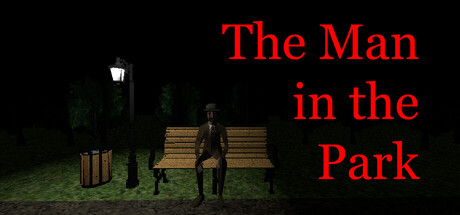
The Man in the Park scores 68/100 — better than 23% of Horror capsules (n=3,118).

Quick text summary

The Man in the Park scored 68/100 on Steam Analyzer — Solid for a Horror capsule. Top priority fix: [uniqueness_polish] Enhance character silhouette and pose with more distinctive visual design—give the figure a memorable outfit, hat, or pose that signals identity and stands out at tiny size

Capsule scores by dimension

  • Genre Clarity: 7/10 — Mystery adventure with clear narrative hook. The scene establishes a mysterious, narrative-driven adventure through a solitary figure on a park bench at night. The environmental storytelling—isolated bench, street lamp, dark forest backdrop—immediately signals an indie narrative game rather than action or puzzle-focused genres. At tiny size, the silhouette of the standing figure and bench remain readable, though atmospheric mood carries more weight than genre iconography.
  • Title Readability: 8/10 — Bold red text, clear hierarchy, excellent contrast. The title uses bright red serif typography positioned on the right side against the dark background, ensuring strong separation from the scene. Letterforms remain crisp and legible even at tiny size due to high contrast and generous spacing. The stacked layout avoids crowding and maintains clarity across all viewing scales, though at full size the composition feels slightly right-heavy.
  • Contrast & Color: 8/10 — Strong value separation with night lighting. The bright red title pops dramatically against the dark #1b2838 background with excellent contrast. The park scene uses cool green-brown tones for trees and warm amber street lamp light to create depth and atmosphere. At tiny size the red text remains a clear focal point, and grayscale simulation shows strong value separation between title and background.
  • Uniqueness & Polish: 6/10 — Atmospheric but generically executed indie scene. The nighttime park bench scenario effectively communicates the game's narrative premise and creates mood through lighting and isolation. However, the 3D character models and environment lack distinctive art direction—they read as competent but standard indie game assets without a memorable visual signature. The capsule communicates the core hook (mysterious stranger) functionally but without the polished craft or distinctive style of the referenced top performers like DREDGE or Slay the Princess.
  • Brand Consistency: 5/10 — Limited identity signals, no recognizable motif. The capsule presents a single scene with atmospheric lighting but no iconic character, recurring symbol, or signature color palette that could anchor brand recognition. The red title treatment is functional but generic serif styling offers no distinctive brand marker. Without reference to other marketing materials, this image provides minimal consistency cues beyond 'mysterious indie narrative game.'
  • Composition: 7/10 — Clear focal point with safe title placement. The park bench scene anchors the center-left area as the primary subject, with the standing figure drawing attention. The title positioned on the right provides good balance and avoids overlap with the scene. At small and tiny sizes the composition remains legible with the figure and bench reading clearly; however, the lower portion of the scene (trash bin detail) competes for attention and the overall composition lacks depth layering between clearly separated planes.

What works

  • Title contrast and readability. Bright red serif text maintains clarity across all viewing sizes against the dark background with no legibility collapse at tiny scale.
  • Atmospheric scene setup. The nighttime park setting with street lamp and isolated bench effectively communicates the game's narrative-driven, mystery-focused premise.
  • Balanced composition layout. Title placement on the right avoids overlapping the central scene and creates reasonable visual balance across the capsule.

What hurts the capsule

  • Generic 3D asset quality. The character models and environment use standard indie game asset styling without distinctive art direction or visual polish that distinguishes it from similar titles.
  • Weak brand identity. No iconic character silhouette, recurring color motif, or visual signature element that would make the capsule recognizable in future marketing or consistent across store pages.
  • Competing focal points at small size. The trash bin and street lamp in the lower left create visual noise that distracts from the primary figure and bench, reducing clarity at tiny thumbnail scale.

Priority fixes

  1. [uniqueness_polish] Enhance character silhouette and pose with more distinctive visual design—give the figure a memorable outfit, hat, or pose that signals identity and stands out at tiny size
  2. [brand_consistency] Introduce a signature color accent or symbolic prop (worn coat, distinctive object on bench) that appears across marketing materials to build brand recognition
  3. [composition] Simplify background elements by reducing visual clutter from trash bin and adjusting lighting to create clearer depth separation between foreground figure and background trees
  4. [genre_clarity] Consider adding a subtle UI hint or narrative prop (letter, newspaper, mysterious object) on the bench to reinforce the story-driven mystery angle and deepen genre signaling

Store copy priority fixes

  1. [hook_strength] Revise the short description to signal horror explicitly: "A chance encounter in the park after dark. But something isn't right. Will you help him—or escape?"
  2. [uniqueness] Add a sentence to the detailed description articulating what is distinct: e.g., "Your choices determine not just the ending, but whether you survive the encounter at all" or reference the specific horror subgenre/atmosphere.
  3. [feature_communication] Expand the Features section to explain player agency: e.g., "Multiple endings driven by your choices and actions throughout the park" or describe the environmental/narrative triggers for jump scares.

Related guides

Steam app ID: 3869240 · Tags: Horror, Multiple Endings, Adventure, Indie, Singleplayer