Scoring genre clarity...
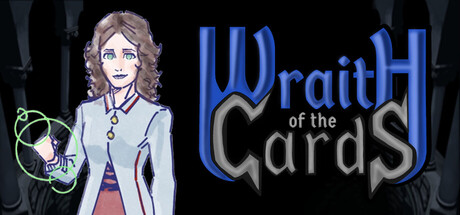
Wraith of the Cards capsule

Wraith of the Cards

Wraith of the Cards is a turn-based deckbuilding RPG with platforming exploration! Explore the vast halls of a mysterious mansion that has called you forth, and attack your way through enemies using special card magic!

$6.991 user reviews
RPGCard GameTurn-Based Strategy
Team WowasaurMar 24, 2026

Wraith of the Cards scores 67/100 — better than 18% of RPG capsules (n=3,544).

1 user reviews · $6.99 · Released Mar 24, 2026 · By Team Wowasaur

Quick text summary

Wraith of the Cards scored 67/100 on Steam Analyzer — Solid for a RPG capsule. Top priority fix: [uniqueness_polish] Add a distinctive visual element or setting detail (mansion architecture, glowing card aura, or character pose) that communicates the adventure premise and differentiates the capsule from generic deckbuilder templates.

Capsule scores by dimension

  • Genre Clarity: 7/10 — Card magic RPG readable at small. The glowing green card/magic orb in the character's hand and the prominent 'Cards' text in the title immediately signal a card-based game mechanic. The character's formal attire and mansion setting suggest adventure RPG rather than pure strategy, though the platforming exploration element is not visually apparent at tiny size. At TINY size, the magic orb and title legibly convey deck-building fantasy RPG without ambiguity.
  • Title Readability: 7/10 — Title legible but decorative serif. The 'Wraith of the Cards' title uses a stylized blue serif font with gray drop shadow that remains readable at SMALL size due to strong blue-to-dark contrast and adequate letter spacing. At TINY size the decorative serifs begin to soften and merge slightly, but the overall word shapes remain distinguishable. The tagline 'of the' sits at medium hierarchy and doesn't compete aggressively, though it adds minor clutter below the primary title.
  • Contrast & Color: 7/10 — Strong blues pop against dark bg. The bright electric blue title and glowing green card orb create excellent value separation against the #1b2838 Steam dark background, with the blue especially commanding attention through saturation and luminosity. The character figure uses lighter skin tones and a pale blue jacket that read well in silhouette. In grayscale, the character's light values separate cleanly from the dark background figures, though the gray shadow text loses some pop.
  • Uniqueness & Polish: 6/10 — Competent character art, generic layout. The illustrated character portrait shows solid anime-influenced craftsmanship with clean linework and expressive facial detail, and the glowing card effect adds a nice magical touch. However, the overall composition—character on left, stylized title on right—follows a common indie game template without a distinctive visual hook or storytelling moment that sets it apart from similar deckbuilders like Inscryption or Slay the Princess. The execution is professional but the concept feels familiar.
  • Brand Consistency: 6/10 — Character recognizable, palette generic. The protagonist character portrait is clean and could serve as a recognizable icon across marketing materials, with consistent anime art style. The color palette—blue, gray, dark background, green accents—is cohesive and reads as a unified brand internally but does not establish a signature visual identity that distinguishes it from other indie RPGs; the palette choices are functional rather than memorable or iconic.
  • Composition: 7/10 — Clear hierarchy, safe cropping. The layout places the character as the primary focal point on the left with strong eye contact and presence, while the title dominates the right half with large legible letterforms, creating natural left-to-right reading flow. The composition maintains safe margins and avoids awkward edge hugging; the character portrait and title are both well-positioned to survive Steam's variable crop and display contexts. At TINY size, the character silhouette and blue title remain the clear dual anchors without visual confusion.

What works

  • Strong title contrast against dark bg. The electric blue 'Wraith of the Cards' text with gray shadow pops immediately against the Steam dark theme and remains legible at small and tiny sizes.
  • Clear character focal point. The illustrated protagonist on the left provides a recognizable anchor and draws immediate attention with good eye contact and distinct silhouette.
  • Magic orb signals card mechanic. The glowing green card/orb in the character's hand is an effective visual shorthand for the deckbuilding core mechanic and adds magical flavor.
  • Readable layout across sizes. Character and title maintain clear separation and hierarchy without competing elements, supporting legibility from full header down to tiny thumbnail.

What hurts the capsule

  • Generic indie RPG template. The character-left, title-right layout is a well-worn pattern in indie games and does not communicate a unique visual identity or story hook.
  • Decorative serif font loses crispness. The stylized blue title font begins to soften and merge at tiny size due to fine serif detail, reducing sharpness compared to bold sans-serif alternatives.
  • Limited visual storytelling. The capsule shows a character and a card effect but does not communicate the mansion setting, exploration, platforming, or a memorable game moment that differentiates it.
  • Palette lacks signature identity. The blue, gray, and green color scheme is functional but generic; competitors like Hades II or Slay the Princess use more distinctive or saturated palettes that reinforce brand recall.

Priority fixes

  1. [uniqueness_polish] Add a distinctive visual element or setting detail (mansion architecture, glowing card aura, or character pose) that communicates the adventure premise and differentiates the capsule from generic deckbuilder templates.
  2. [title_readability] Consider switching the decorative serif title font to a bold, clean sans-serif variant that maintains the blue color but improves sharpness and legibility at tiny thumbnail size.
  3. [brand_consistency] Develop a signature color accent beyond blue and green—such as a warm gold or purple highlight—to create a memorable palette that recurs in other marketing materials and becomes iconic.
  4. [composition] Introduce a subtle background element or lighting effect (e.g., mansion interior, glowing cards, or magical aura) that reinforces the card magic RPG theme and adds visual depth without cluttering the focal points.

Store copy priority fixes

  1. [hook_strength] Lead the detailed description with a sentence that emphasizes the mechanical fusion rather than backstory—e.g., 'Solve mansion puzzles in real-time platforming, then deploy collected cards in turn-based battles: a game where exploration feeds combat strategy.'
  2. [feature_communication] Add a sentence explaining deckbuilding constraints and card synergy—e.g., 'Collect and combine cards with complementary effects; higher-value cards cost more to play, forcing tough choices each turn.'
  3. [audience_targeting] Insert a sentence signaling difficulty, pacing, or player type—e.g., 'Perfect for strategy fans who want platforming exploration without reflexive combat demands' or 'Roguelike runs with procedural deck variety.'
  4. [uniqueness] Clarify how platforming and deckbuilding interlock mechanically—e.g., 'Gears and items found while platforming unlock new cards and passive abilities for battle,' making the hybrid feel integrated rather than bolted-on.

Related guides

Steam app ID: 3963010 · Tags: RPG, Card Game, Turn-Based Strategy, Platformer, Puzzle