Scoring genre clarity...
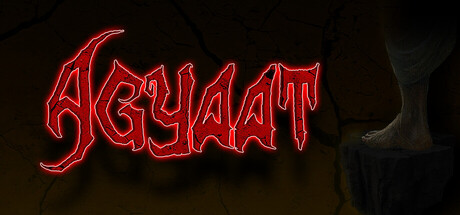
Agyaat capsule

Agyaat

Agyaat is a first-person single-player horror game where you play as Acharya, drawn into the haunted depths of Ambika’s House to uncover a dark truth buried in Indian folklore. Explore, survive, and piece together the mansion’s twisted past — but beware, the house remembers every step you take.

$1.791 user reviews
AdventureAction RoguelikeAction-Adventure
Rajeev RanjanDec 22, 2025

Agyaat scores 72/100 — better than 44% of Steam capsules we've analysed (n=22,658).

1 user reviews · $1.79 · Released Dec 22, 2025 · By Rajeev Ranjan

Quick text summary

Agyaat scored 72/100 on Steam Analyzer — Good for a Steam capsule. Top priority fix: [composition] Introduce a subtle environment or silhouetted element (mansion architecture, character outline, or folklore symbol) in the background to add depth and narrative context without competing with the neon title.

Capsule scores by dimension

  • Genre Clarity: 7/10 — Horror identity clear via neon aesthetic. The glowing red neon text immediately signals horror or dark atmosphere, and the jagged lettering style reinforces unease and danger. At tiny size the neon glow remains visible and reads as something edgy and threatening, though the specific subgenre (first-person mansion exploration) is not immediately evident from visuals alone—the horror intent is clear but gameplay type requires inference.
  • Title Readability: 8/10 — Excellent contrast and bold letterforms. The red neon glow against the dark background creates strong value separation and the jagged sans-serif letterforms remain legible at both full and small sizes. At tiny size the outline thickness of the neon effect preserves letter shapes well enough to recognize the title, though individual characters compress slightly. The strategic centering and bold weight ensure readability across all viewing conditions without competing visual noise.
  • Contrast & Color: 9/10 — Strong value contrast and neon silhouette. The bright red neon (#FF0000 equivalent) pops dramatically against the near-black background (#1b2838), creating excellent grayscale separation and instant visual impact on quick scroll. The glow effect adds luminous depth and the warm red tone maintains saturation integrity even at tiny thumbnail size. This is a textbook example of high-contrast design that survives aggressive compression and squinting.
  • Uniqueness & Polish: 7/10 — Memorable neon branding with minor execution lag. The neon aesthetic is distinctive and immediately memorable, setting this apart from generic horror capsules and creating a signature visual hook that feels intentional and premium. However, the composition is quite minimal—just text on dark void—which reads as confident but also somewhat sparse compared to top-tier indie capsules like DREDGE or Hades II that combine strong typography with layered visual storytelling. The craft is clean but the hook could be strengthened with a complementary visual element that hints at the game's core mechanic or atmosphere.
  • Brand Consistency: 6/10 — Neon motif established but not reinforced. The red neon treatment is a strong internal identity signal and the jagged letterforms suggest danger, but without reference to in-game UI or environmental assets from the store screenshots, this feels like a standalone design choice rather than a system-wide brand language. If the game's actual UI, menus, or key environments use neon or similar electric aesthetics, this scores higher; if this is a marketing-only invention, the internal cohesion is present but brand memory may not extend to the actual game experience.
  • Composition: 6/10 — Centered text functional but stark. The title sits cleanly centered with safe margins and will not be cropped by Steam's standard aspect ratios, providing good placement safety. However, the composition is minimal—a single text element floating in darkness leaves the frame feeling somewhat empty and does not establish visual hierarchy or depth layering. At tiny size the stark void-against-glow reads instantly, which is a strength for scannability, but the overall frame lacks the layered foreground-midground-background structure that polishes competitor capsules.

What works

  • Exceptional contrast against dark background. Red neon glows intensely against near-black, creating instant visual pop and strong legibility even at thumbnail size; grayscale contrast remains excellent.
  • Memorable neon identity and signature style. The glowing jagged letterforms create a distinctive aesthetic that differentiates the capsule from generic horror competition and establishes a recognizable visual hook.
  • Bold title weight and outline clarity. The thick neon stroke preserves letterform integrity and readability across all sizes without requiring baseline clarity reserves.

What hurts the capsule

  • Minimalist composition lacks visual storytelling. Empty void background offers no environmental context, mood-setting detail, or hint at gameplay mechanic beyond the horror color cue; texture and setting remain absent.
  • No supporting visual elements or depth layering. Single-element frame lacks foreground-midground-background structure that creates professional polish and visual interest at full resolution; composition feels sparse rather than intentional.
  • Gameplay type not signaled by visuals. While horror genre is clear, first-person mansion exploration and folklore themes are not visually communicated; capsule is atmospheric but not mechanically specific.

Priority fixes

  1. [composition] Introduce a subtle environment or silhouetted element (mansion architecture, character outline, or folklore symbol) in the background to add depth and narrative context without competing with the neon title.
  2. [uniqueness_polish] Layer a complementary visual element such as a crumbling wall texture, shadowy figure, or haunted mansion facade to elevate the capsule from text-only to a cohesive scene that hints at core gameplay.
  3. [genre_clarity] Add a fine detail (torn fabric, ghostly presence, or architectural motif) that reinforces first-person exploration or Indian mansion setting without breaking the neon aesthetic.

Store copy priority fixes

  1. [feature_communication] After the atmospheric opening, add 1-2 sentences explicitly stating core mechanics: 'Explore a sprawling mansion across X hours, solve environmental puzzles, and uncover the ritual binding souls to the house. You cannot fight—only hide, listen, and piece together clues.' This moves gameplay clarity higher in the reading order.
  2. [uniqueness] Expand the dynamic AI section to clarify what makes it different: 'The presence adapts to your footsteps, light sources, and sounds—creating an unpredictable threat that reacts to your approach.' Currently it is too vague to feel like a key differentiator.
  3. [feature_communication] Add a brief sentence about narrative outcomes under the closing section: 'Your choices and actions unlock multiple endings, reshaping how the ritual unfolds and what truth you ultimately uncover.' This connects the Multiple Endings tag to actual gameplay impact.
  4. [feature_communication] Add a single line clarifying scope: 'Explore a decaying three-story mansion with dozens of interconnected rooms, puzzles, and hidden narratives.' This sets player expectations for content volume and map scale.

Related guides

Steam app ID: 4133950