Our Ordinary Home scores 62/100 — better than 3% of Psychological Horror capsules (n=2,167).

Quick text summary

Our Ordinary Home scored 62/100 on Steam Analyzer — Solid for a Psychological Horror capsule. Top priority fix: [genre_clarity] Introduce visual distortion, fragmented silhouettes, or dream-like warping effects to communicate the memory assembly and psychological aspects at SMALL size.

Capsule scores by dimension

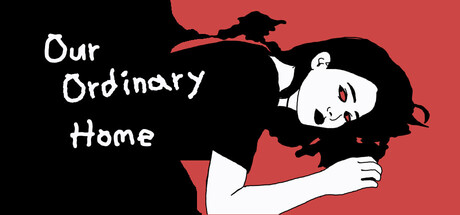
  • Genre Clarity: 5/10 — Unclear genre signals. The illustration style and character pose suggest indie narrative or possibly slice-of-life, but there is minimal visual cue that communicates psychological thriller or mystery gameplay. The playful, childlike art direction conflicts with the disturbing incident and fragmented memory concept, creating mixed genre messaging that reads more whimsical than psychological at TINY size.
  • Title Readability: 8/10 — Clear and readable text. The title 'Our Ordinary Home' is rendered in a simple, clean sans-serif font positioned on the left against solid black background, ensuring strong contrast and legibility even at TINY size. The text maintains clarity across all viewing conditions without decorative flourishes that could collapse at small scale.
  • Contrast & Color: 7/10 — Good value separation overall. The black background, white title text, and red character illustration create strong value contrast that reads well against Steam's dark background. The silhouette of the character remains clear in grayscale, though the red gradient and character shading provide good separation, making the focal subject pop at SMALL and TINY sizes.
  • Uniqueness & Polish: 5/10 — Charming but genre-mismatched. The hand-drawn illustration style is appealing and has personality, but it feels more aligned with a cozy indie adventure or story game rather than a psychological thriller. The aesthetic polish is competent, but the distinctive visual hook does not communicate the game's actual disturbing, mystery-focused premise, resulting in a generic indie capsule feel.
  • Brand Consistency: 5/10 — Limited cohesion with genre. The illustration presents a consistent, soft art direction with a recognizable character silhouette, but without reference to the store screenshots, the internal visual identity lacks memorable motifs or symbolic language that would reinforce the psychological thriller core. The palette and rendering are internally cohesive, but do not signal the fragmented memory and hidden clue themes.
  • Composition: 7/10 — Balanced focal point hierarchy. The title text is anchored to the left, while the character illustration dominates the right side, creating clear spatial separation and a strong primary focal point. The composition remains readable at SMALL and TINY sizes with good use of the frame, though the centered character sitting slightly high could be better positioned to maximize safe margins for platform cropping.

What works

  • Strong title contrast and readability. White sans-serif text on solid black background maintains clarity and legibility at all viewing sizes without decorative degradation.
  • Clear spatial hierarchy. Text on left, character on right creates natural eye flow and prevents overlapping clutter that could confuse the message at small sizes.
  • Consistent internal rendering style. The illustration cohesively applies hand-drawn technique with controlled shading and silhouette definition throughout.

What hurts the capsule

  • Art style contradicts genre premise. The playful, charming character and soft aesthetic actively mislead players expecting a psychological thriller with fragmented memories and disturbing themes.
  • Minimal psychological or mystery cues. The capsule lacks visual language—fragmented imagery, distorted elements, dark symbolism, or disorienting composition—that would signal the game's core mechanic of uncovering truth from clues.
  • Generic indie adventure signaling. The design reads as a typical wholesome indie narrative game rather than a distinctive psychological thriller, reducing discoverability among target audiences seeking horror or mystery.

Priority fixes

  1. [genre_clarity] Introduce visual distortion, fragmented silhouettes, or dream-like warping effects to communicate the memory assembly and psychological aspects at SMALL size.
  2. [uniqueness_polish] Add symbolic or unsettling visual elements—shadowed areas, hidden details, or color grading shifts—that reinforce the disturbing incident theme without abandoning the illustrated style.
  3. [contrast_color] Consider a slightly desaturated or cooler color palette shift to suggest unease while maintaining the character recognition and readability.

Store copy priority fixes

  1. [feature_communication] Add a sentence specifying estimated playtime and chapter count (e.g., '5-7 chapters, 3-4 hours') to clarify scope and set player expectations.
  2. [uniqueness] Rewrite the opening to lead with what makes this game's approach to truth-reconstruction distinctive, rather than opening with the ambiguous 'demon' metaphor—e.g., 'A sentence-rearrangement puzzle based on real court records from a family tragedy.'
  3. [audience_targeting] Explicitly clarify the difficulty (is reading comprehension the only puzzle challenge?) and note that this is story-driven and reflective, not action-based, to filter for the right audience early.

Related guides

Steam app ID: 4155810 · Tags: Psychological Horror, Point & Click, Pixel Graphics, Thriller, Adventure