Quick text summary

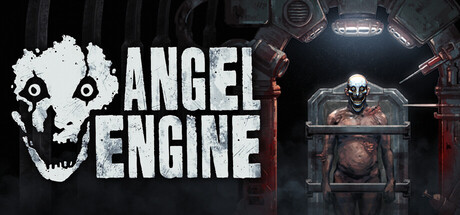
Angel Engine scored 60/100 on Steam Analyzer — Solid for a Survival Horror capsule. Top priority fix: [genre_clarity] Redesign right-side focal point to clearly show an operating table, surgery instruments, or comatose subject to signal the core mechanic and differentiate from horror games.

Capsule scores by dimension

  • Genre Clarity: 4/10 — Unclear genre, horror-dominated read. The skull imagery, dark industrial setting, and caged figure strongly suggest horror or survival horror rather than simulation. The visual language reads as dystopian sci-fi thriller, not a building/management/operation simulator like peers (House Flipper 2, Supermarket Simulator). At tiny size, the skull and metal cage dominate, completely obscuring the simulation gameplay hook.
  • Title Readability: 8/10 — Bold title, strong contrast, readable tiny. The white 'ANGEL ENGINE' text has excellent contrast against the dark background and reads clearly even at tiny size due to bold sans-serif letterforms and generous spacing. The skull logo integrates well with the title positioning on the left, creating a recognizable mark. Tagline and description text are too small to read at any size but do not interfere with primary title legibility.
  • Contrast & Color: 7/10 — Strong whites and reds, good separation. White skull and title text pop sharply against the black background with excellent value separation, maintaining clarity at small and tiny sizes. The warm copper/red accents on the machinery and figure add visual interest and break monotony. In grayscale, the silhouettes remain distinct, though the figure on the right blends slightly with the dark machinery background in the right third.
  • Uniqueness & Polish: 5/10 — Polished but generic dystopian aesthetic. The capsule feels professionally rendered with clean 3D assets and careful lighting, but communicates a generic grimdark sci-fi vibe rather than a distinctive simulation identity. The skull branding is memorable, but the overall composition lacks a visual hook that signals 'surgery/operating room simulator' or differentiates it from countless dystopian horror games. Compared to top simulators which emphasize the core mechanic (flipping houses, running shops, cleaning crime scenes), this obscures its actual gameplay.
  • Brand Consistency: 6/10 — Skull motif consistent, limited identity. The skull appears to be a recognizable icon that could carry across materials, and the dark industrial palette is cohesive throughout the visible capsule. However, without access to the five store screenshots, consistency cannot be fully verified; based on this image alone, the identity signals are minimal—the skull is the only distinctive repeated element, and the overall aesthetic is broad enough that it could belong to many dystopian franchises. The rendering style is consistent, but does not create a memorable brand shorthand.
  • Composition: 6/10 — Balanced but unfocused, right side weak. The left two-thirds anchor cleanly with the skull and title in a controlled, readable zone; the right third features a caged figure in dimmer, busier machinery that lacks focal clarity and competes for attention without a clear purpose. At tiny size, the composition reads as 'skull + text on left' and 'murky stuff on right,' losing narrative coherence. The distribution is roughly balanced but the right figure adds visual weight without communicating gameplay or reinforcing the title.

What works

  • Title legibility across sizes. Bold white sans-serif 'ANGEL ENGINE' maintains excellent readability from full header down to tiny thumbnail due to strong contrast and generous letter spacing.
  • Strong value contrast against dark background. White elements and warm red/copper accents create clear visual separation on the Steam dark theme background, sustaining clarity even in low-attention scroll scenarios.
  • Distinctive skull branding. The skull logo is a memorable icon with clear silhouette that could serve as a recognizable brand mark if used consistently across materials.
  • Professional polish and rendering. The 3D assets, lighting, and overall visual finish feel polished and intentional rather than cheap or template-based.

What hurts the capsule

  • Misaligned genre signals for simulation. Horror and dystopian thriller visual language obscures the actual gameplay (surgery simulator), contradicting the simulation genre context and peer positioning.
  • Unfocused right-side composition. The caged figure and machinery on the right create visual noise without clear purpose, competing for attention and weakening focal hierarchy at small sizes.
  • Generic dystopian aesthetic. The dark industrial setting and sci-fi visuals lack a distinctive hook or unique visual story that sets it apart from generic grimdark games in the broader market.
  • Figure clarity and integration. The caged character on the right blends into dark machinery background, reducing silhouette clarity and creating muddy visual separation in that region.

Priority fixes

  1. [genre_clarity] Redesign right-side focal point to clearly show an operating table, surgery instruments, or comatose subject to signal the core mechanic and differentiate from horror games.
  2. [composition] Reduce visual competition by simplifying the right machinery background or repositioning the figure to a lighter, more readable area with clearer subject separation.
  3. [uniqueness_polish] Add a visual element that explicitly communicates 'simulation' or 'surgery' (e.g., holographic UI, medical readouts, surgical tools) to match peer capsules and game positioning.
  4. [contrast_color] Increase the caged figure's contrast by adjusting its lighting or background darkness so the silhouette reads clearly at small and tiny sizes without merging with machinery.

Store copy priority fixes

  1. [feature_communication] Add a 1-2 sentence example of what the 'unique minigames' actually involve—e.g., 'suture wounds under a ticking timer,' 'reroute power systems to keep life support running'—so players can visualize core interactions.
  2. [uniqueness] Clarify what makes this game distinct from other surgery/horror sims in a single sentence—whether it is the dual-threat mechanic (demons + equipment), the narrative style, or the IP's unique world—so players know why to choose this over alternatives.
  3. [feature_communication] Expand 'keeping the Angel Engine operational' with a concrete example of what servicing/equipment failure entails mechanically, so the tri-part gameplay loop feels tangible.
  4. [audience_targeting] Add a single sentence about expected playtime and difficulty intensity (e.g., 'designed for hardcore survival-sim players seeking high-pressure, time-bound challenges') to filter audience expectations early.

Related guides

Steam app ID: 4173750 · Tags: Survival Horror, Resource Management, Time Management, Quick-Time Events, Psychological Horror