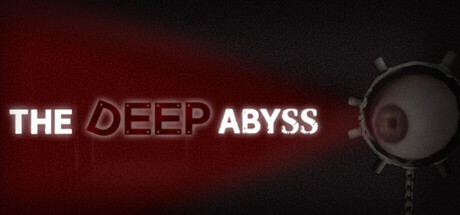
The DEEP Abyss scores 68/100 — better than 23% of Horror capsules (n=3,119).

Quick text summary

The DEEP Abyss scored 68/100 on Steam Analyzer — Solid for a Horror capsule. Top priority fix: [uniqueness_polish] Introduce a visual motif—such as a silhouetted creature or iconic artifact—that communicates the adaptive survival mechanic or multiple-ending hook and sets this capsule apart from generic horror.

Capsule scores by dimension

  • Genre Clarity: 7/10 — Horror atmosphere clear, survival ambiguous. The red glowing abyss aesthetic and spotlight/interrogation lamp on the right strongly signal horror or survival horror at all sizes. The deep red gradient and ominous tone communicate dread effectively even at tiny size. However, the survival mechanics and multiple-ending gameplay loop are not visually evident—it reads as pure horror without the strategic/adaptive gameplay component.
  • Title Readability: 8/10 — Strong contrast, readable down to tiny. White serif title 'THE DEEP ABYSS' with clean spacing and high contrast against the dark red-to-black gradient ensures legibility at full, small, and tiny sizes. The central placement on a controlled background region prevents text collision with the spotlight element. At tiny size, the text remains distinguishable as a coherent title block.
  • Contrast & Color: 8/10 — Bold red-to-black gradient, strong separation. The warm red glow dominates the left-center area and creates clear value separation from the dark #1b2838 Steam background. The white title pops sharply against both the red and black zones. The spotlight lamp in the top right adds a cool gray accent that breaks monotony, and in grayscale the light-to-dark range remains strong and readable even at tiny size.
  • Uniqueness & Polish: 6/10 — Competent horror aesthetic, limited distinctiveness. The interrogation-lamp spotlight and red abyss glow feel intentional and fit survival horror positioning, but the execution is relatively generic—similar red/dark horror capsule compositions appear across multiple indie horror titles. The 3D spotlight model is polished, but the overall composition lacks a memorable hook or distinctive visual storytelling that signals *this specific game's* unique mechanics (multiple endings, monster adaptation).
  • Brand Consistency: 5/10 — Mood consistent, no iconic identity cues. The red-black-white palette and spotlight aesthetic are internally coherent, but there are no recognizable character, motif, or symbol identifiers that would help players remember this brand versus other horror survival games. The capsule does not leverage any visual language that ties to the five store screenshots or suggest a signature art style that would be memorable in isolation.
  • Composition: 7/10 — Clear hierarchy, balanced layout, safe margins. The white title sits prominently in the left-center with the spotlight lamp anchoring the right edge, creating a balanced left-right focal distribution. The red gradient flows naturally from left to right and does not suffer from dead-center voids. Safe margins protect the title from cropping, and at small/tiny sizes the composition compresses without losing the primary visual read of 'The DEEP ABYSS' and the ominous atmosphere.

What works

  • High title contrast and readability. White serif text reads cleanly at all sizes against the red-black gradient with no legibility loss at tiny size.
  • Strong atmospheric mood delivery. The red glow and spotlight create an immediate sense of dread and danger appropriate for survival horror.
  • Balanced layout with focal points. Title left, spotlight right creates natural eye movement and avoids cluttered or competing visual centers.

What hurts the capsule

  • Generic horror template feel. The red-dark-spotlight aesthetic is common across many horror games and lacks a distinctive visual hook unique to The DEEP ABYSS.
  • Survival and strategic gameplay not communicated. The capsule emphasizes atmosphere over the core mechanics of adapting to monsters, collecting items, and making decisions.
  • No iconic character or symbol identity. The design does not establish a memorable visual motif or recognizable brand marker that would distinguish it later.

Priority fixes

  1. [uniqueness_polish] Introduce a visual motif—such as a silhouetted creature or iconic artifact—that communicates the adaptive survival mechanic or multiple-ending hook and sets this capsule apart from generic horror.
  2. [genre_clarity] Add a subtle gameplay visual cue (e.g., inventory item glow, branching path, monster outline) to clarify the survival adaptation element alongside the horror atmosphere.
  3. [brand_consistency] Develop and lock in a signature visual element (color accent, creature design, UI dressing) that can carry across promotional materials to build recognizable brand identity.

Store copy priority fixes

  1. [hook_strength] Replace the opening line with a narrative hook: instead of 'The DEEP Abyss is a survival horror game with multiple endings,' lead with 'You wake up inside an abandoned facility with no memory and only a flashbang to survive the darkness hunting you.' This centers the player's agency and mystery rather than listing features.
  2. [uniqueness] Add a concrete sentence explaining the flashbang mechanic's strategic depth: 'Each flashbang mode reveals different threats and unlocks new paths—managing limited charges forces difficult choices about which horrors to confront first.' This differentiates from generic survival horror.
  3. [tone_match] Remove or relocate the developer's personal message to a separate 'About This Game' section; keep the atmospheric narrative tone consistent throughout the main copy to preserve the psychological horror mood.
  4. [feature_communication] Expand gameplay loop explanation with one concrete example: 'Discover a new monster type, learn its behavior, then decide whether to use a flashbang to stun it or hide and find another route—each choice shapes which ending you unlock.' This transforms vague claims into understandable gameplay.

Related guides

Steam app ID: 4232250 · Tags: Horror, Psychological Horror, Psychological, First-Person, Action