Scoring genre clarity...
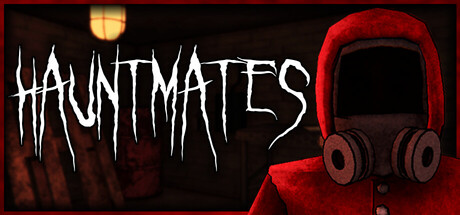
HAUNTMATES capsule

HAUNTMATES

Co-op horror investigation game across multiple maps. Enter procedurally generated environments, use your equipment to gather clues, and identify the entity. Watch your back, because monsters are hunting you down.

HorrorOnline Co-OpPsychological Horror
Infinity EntertainmentJul 2, 2026

HAUNTMATES scores 62/100 — better than 3% of Steam capsules we've analysed (n=22,658).

Released Jul 2, 2026 · By Infinity Entertainment

Quick text summary

HAUNTMATES scored 62/100 on Steam Analyzer — Solid for a Steam capsule. Top priority fix: [uniqueness_polish] Introduce a distinctive visual hook or unique monster element visible in the capsule to differentiate from Lethal Company-adjacent aesthetics, such as a stylized entity silhouette emerging from the fog.

Capsule scores by dimension

  • Genre Clarity: 7/10 — Co-op horror reads clearly. The gas-masked figure in red against a dark, foggy background with a lantern and fence silhouettes communicates horror survival convincingly. The scratchy, dripping title font reinforces the horror genre. At tiny size the red hooded figure remains a recognizable horror silhouette, though co-op specifics are impossible to discern.
  • Title Readability: 7/10 — Jagged font reads at most sizes. The scratchy white horror-style lettering of HAUNTMATES sits on the darker left portion of the image with reasonable contrast against the murky red-brown background. At full size it reads clearly; at small size it remains legible though the decorative drip strokes begin to merge. At tiny size the word is still parseable but fine letterform details collapse, making it borderline readable.
  • Contrast & Color: 6/10 — Red figure pops, background muddy. The red-hooded gas mask figure provides the strongest contrast element and separates reasonably from the dark background. However, the overall palette is dominated by similar dark red-brown midtones, and in grayscale the background fog, fence silhouettes, and lower image areas blend into a murky undifferentiated mass. The lantern glow provides some light anchor but the scene lacks a strong light-dark value separation overall.
  • Uniqueness & Polish: 5/10 — Generic indie horror aesthetic. The gas-masked figure in red is reminiscent of Lethal Company and Content Warning aesthetics, which are dominant in the co-op horror indie space, reducing distinctiveness. The 3D rendering quality appears low-budget with visible low-poly blocky geometry on the character. The composition is competent but does not communicate a unique visual selling point or hook that differentiates it from the crowded co-op horror subgenre.
  • Brand Consistency: 6/10 — Coherent horror palette internally. The dark red-brown fog, horror title font, and masked protagonist form a cohesive internal visual identity. The scratchy font style matches the eerie tone of the scene. However, the low-poly blocky character style combined with the more painterly foggy background creates a slight rendering inconsistency, and there is no distinctive logo mark or iconographic motif beyond the generic gas mask figure that would build recognizable brand identity.
  • Composition: 6/10 — Figure right, title left, functional. The layout follows a standard split: title occupying the left third and the character silhouette anchoring the right side, with the lantern providing a vertical focal anchor near center-right. This is a functional but formulaic composition with no strong depth layering or leading lines. At small and tiny sizes the character and title compete for attention rather than working together in a clear hierarchy, and the fence silhouettes in the background read as undifferentiated dark clutter.

What works

  • Horror genre signaling. The scratchy dripping title font combined with the gas-masked red figure immediately communicates the horror genre without ambiguity.
  • Red figure contrast anchor. The red hooded character provides the strongest color contrast element against the dark background and remains a recognizable silhouette at small sizes.
  • Atmospheric fog and lantern. The warm lantern glow against the dark foggy environment creates a horror atmosphere that supports the game's investigative tone.

What hurts the capsule

  • Low-poly character quality. The visibly blocky low-poly rendering of the protagonist reads as low-budget compared to top-performing horror capsules and reduces perceived production value.
  • Muddy midtone background. The dark red-brown fog dominates the entire background with limited value contrast, causing the scene to collapse into an undifferentiated mass in grayscale and at tiny size.
  • Genre overcrowding similarity. The gas-masked figure in a red hazmat suit directly echoes Lethal Company and Content Warning, making the capsule appear derivative rather than distinctive in a crowded subgenre.
  • No memorable brand symbol. There is no unique iconographic motif, logo mark, or character design element that would make this capsule recognizable on a second encounter separate from the title text.

Priority fixes

  1. [uniqueness_polish] Introduce a distinctive visual hook or unique monster element visible in the capsule to differentiate from Lethal Company-adjacent aesthetics, such as a stylized entity silhouette emerging from the fog.
  2. [contrast_color] Increase value separation between the background fog and midground elements by pushing the background darker and adding a stronger rim light or secondary light source to separate the character from the environment.
  3. [title_readability] Add a subtle dark vignette or semi-transparent shadow behind the HAUNTMATES title text to ensure consistent legibility at small and tiny sizes where the background tones vary.
  4. [uniqueness_polish] Upgrade or stylize the character rendering so the low-poly geometry is either intentionally exaggerated as an art style choice or refined to meet the visual polish bar of top-performing indie horror capsules.

Store copy priority fixes

  1. [hook_strength] Rewrite the short description to open with a visceral or curious hook—e.g., 'Identify the creature hunting you before it hunts you' or 'Something is in the dark with you. Find out what before it's too late.' Lead with stakes, not mechanics.
  2. [uniqueness] Add one concrete differentiator to the detailed description—e.g., 'Each entity requires a specific investigative approach based on its unique AI behaviors' or 'Combine environmental clues with behavioral evidence to correctly name the creature, or risk misidentification and death.' This distinguishes the deduction mechanic.
  3. [feature_communication] Clarify what evidence gathering looks like in practice—e.g., 'Scan rooms with specialized equipment, document supernatural phenomena, and cross-reference clues to identify the entity.' Concrete actions beat abstract mechanics.
  4. [tone_match] Inject atmosphere into the opening paragraph of the detailed description—shift from mission briefing tone to something that evokes dread or urgency tied to the creature's presence, not just the contract deadline.

Related guides

Steam app ID: 4400300