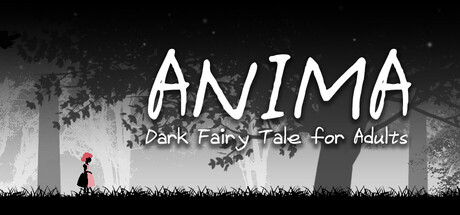
ANIMA : Dark Fairy Tale for Adults scores 75/100 — better than 79% of Psychological Horror capsules (n=2,166).

Quick text summary

ANIMA : Dark Fairy Tale for Adults scored 75/100 on Steam Analyzer — Good for a Psychological Horror capsule. Top priority fix: [genre_clarity] Add a subtle color accent—warm amber or deep red—to the figure or a key tree to create visual distinction while maintaining dark fairy tale mood and improve recognition at tiny size.

Capsule scores by dimension

  • Genre Clarity: 7/10 — Dark fantasy adventure clearly signaled. The silhouette of a lone figure in a forest with bare trees and moody monochromatic lighting immediately reads as a dark fairy tale or psychological horror adventure. At tiny size, the figure's isolation against stark trees communicates melancholy and mystery rather than action RPG. The tagline 'Dark Fairy Tale for Adults' reinforces the genre positioning, though at tiny size only the forest silhouette remains readable.
  • Title Readability: 8/10 — Clean handwritten title reads well. The primary title 'ANIMA' is rendered in a distinctive handwritten/sketchy font with strong white contrast against the dark background, maintaining legibility at all sizes down to tiny. The tagline 'Dark Fairy Tale for Adults' is smaller and less critical to immediate recognition, but remains readable at small size. At tiny size, 'ANIMA' remains the clear focal text and the tagline begins to blur but does not collapse the primary message.
  • Contrast & Color: 8/10 — Strong monochromatic contrast with depth. Pure white text and figure silhouettes create excellent separation from the near-black background (#1b2838 compatibility is strong). The grayscale forest and fog layers provide subtle depth without color distraction, and the silhouette maintains a clean edge even when squinting. The lack of color saturation paradoxically strengthens contrast by eliminating color noise and relying on pure value separation.
  • Uniqueness & Polish: 7/10 — Cohesive dark aesthetic, somewhat familiar. The handwritten title treatment and monochromatic art style feel intentional and premium, with clean execution of the moody forest scene establishing a distinctive art direction. However, the lone-figure-in-dark-woods trope is visually familiar in indie horror/adventure; the distinctiveness comes from craft quality and handwritten typography rather than a truly unique visual hook. The execution is polished but the core concept sits within expected dark fantasy visual language.
  • Brand Consistency: 7/10 — Recognizable handwritten style identity. The distinctive handwritten 'ANIMA' logo and monochromatic forest aesthetic create a coherent internal identity that would be recognizable across marketing materials. The sparse, stark visual language and choice of silhouette over detail suggests a psychological/narrative-focused game rather than action-heavy, which aligns with the 'Dark Fairy Tale' positioning. Without access to the 10 store screenshots, internal consistency appears strong but uniqueness relative to other indie psychological games is moderate.
  • Composition: 8/10 — Strong focal hierarchy, balanced layout. The lone figure in the center-left foreground creates a clear primary focal point, with the trees and fog receding into a defined background layer that provides atmospheric depth without clutter. Title placement at top-center is safe from Steam cropping and maintains hierarchy; the figure silhouette is large enough to dominate at all viewing sizes from full to tiny. The composition uses negative space effectively to avoid a cramped or chaotic feel, and the horizontal forest layering naturally guides the eye.

What works

  • Exceptional title contrast and readability. The white handwritten 'ANIMA' text maintains perfect legibility from full size down to tiny thumbnails against the dark background, with no decorative collapse or loss of character recognition.
  • Clear atmospheric mood and genre signal. The monochromatic forest with bare trees, fog, and isolated figure immediately communicates psychological horror and dark fantasy without ambiguity, supporting the game's core positioning.
  • Strong depth layering and composition. Foreground figure, midground trees, and background fog create natural spatial recession that feels intentional and prevents the image from feeling flat or cluttered.
  • Premium handwritten aesthetic. The distinctive sketchy font treatment and sparse visual approach avoid generic template feel and signal indie craft quality and intentional design.

What hurts the capsule

  • Familiar visual trope execution. The lone figure in a dark forest is a common indie horror visual language choice; while well-executed, it does not stand apart from similar psychological games like Slay the Princess or DREDGE at a glance.
  • Tagline readability at tiny size. The 'Dark Fairy Tale for Adults' subtitle becomes noticeably blurred at tiny thumbnail sizes and does not reinforce the title, relying entirely on 'ANIMA' recognition for discoverability.
  • Limited color or visual warmth. The purely grayscale approach, while atmospheric, may blend into other dark indie games on a Steam browse and lacks a memorable color signature for brand recall.

Priority fixes

  1. [genre_clarity] Add a subtle color accent—warm amber or deep red—to the figure or a key tree to create visual distinction while maintaining dark fairy tale mood and improve recognition at tiny size.
  2. [uniqueness_polish] Introduce a signature visual motif such as a glowing element, distinctive creature feature, or symbolic object on the figure to create a more memorable and unique brand hook than generic solitary silhouettes.
  3. [contrast_color] Consider a thin outline or glow around the title or figure to further separate foreground from background and ensure the silhouette remains readable at the smallest thumbnail sizes.

Store copy priority fixes

  1. [feature_communication] Add a concrete sentence explaining how 2D platformer mechanics interact with psychological stat management and narrative flow (e.g., 'Navigate physical environments while managing your mental state—fail to balance your psyche, and the world itself becomes impassable').
  2. [uniqueness] Insert a specific differentiator comparing this game's approach to choice and consequence (e.g., 'Unlike games where choices simply fork the story, your Karma stat invisibly accumulates from every action, determining your ending without your knowledge').
  3. [feature_communication] Provide one or two concrete puzzle examples to illustrate how 'perception-challenging' gameplay works (e.g., 'solve spatial puzzles that shift based on your mental state, or piece together fragmented memories through symbolic imagery').
  4. [hook_strength] Strengthen the opening by adding a specific sensory or emotional hook after the short description (e.g., in the first paragraph, add a line like 'What you remember is not what happened. Every choice you make will chip away at your sanity until only the truth—or madness—remains.').

Related guides

Steam app ID: 4547250 · Tags: Psychological Horror, Horror, Choices Matter, Story Rich, CRPG